




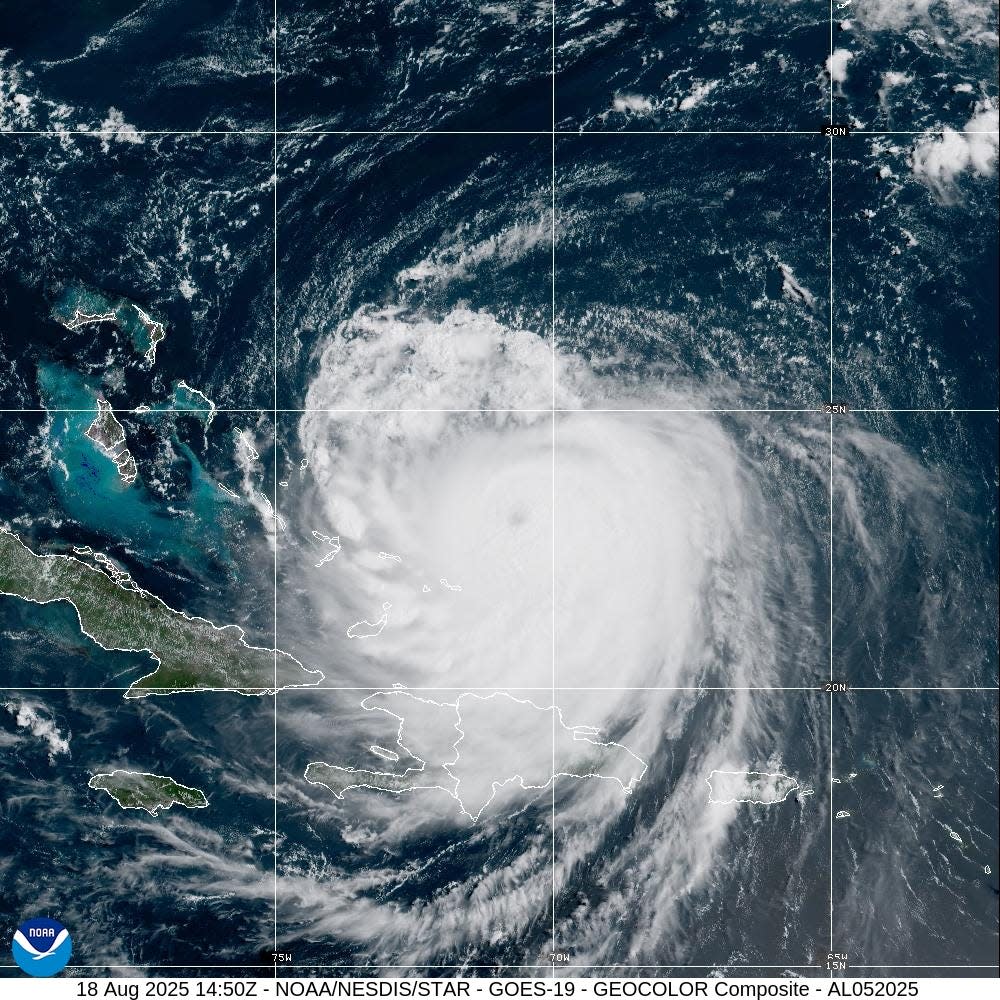
The Caribbean Catastrophe Risk Financing Facility (CCRIF) has announced that it will make a second payout of J$3.4 billion (US$21.1 million) to the Government of Jamaica following the passage of Hurricane Melissa, due to the triggering of the Government’s excess rainfall parametric insurance policy.
On October 31, the CCRIF had announced that Jamaica would receive a payout of J$11.4 billion (US$70.8 million) on the country’s tropical cyclone policy. The total payouts to Jamaica from the CCRIF amount to J$14.8 billion (US$91.9 million) so far.
On November 3rd, CCRIF provided the Government with a portion of the tropical cyclone policy payout — US$8 million — to provide immediate access to quick liquidity (cash).
The remaining US$62.8 million will be paid by November 13th which CCRIF says is in keeping with its key value proposition of making payouts within 14 days of an event.
The excess rainfall policy payout will also be made within 14 days, following final model verification. Excess rainfall assessments typically take a few days longer than tropical cyclone evaluations due to the complexity of rainfall distribution and localised impacts.
Jamaica currently has coverage from CCRIF for tropical cyclones, excess rainfall and earthquakes.
CCRIF’s parametric insurance policies are designed to respond to the intensity of a hazard event, considering the assets exposed, and the potential losses based on predefined models.
The tropical cyclone policy is based on modelled losses from wind and storm surge, and the excess rainfall policy is based on the volume and distribution of rainfall.
Prior to these two payouts for Hurricane Melissa, Jamaica received three other payouts in previous years on its tropical cyclone and excess rainfall policies for Tropical Cyclones Beryl, Eta and Zeta.
CCRIF Chief Executive Officer Isaac Anthony plans to visit Jamaica to meet with senior officials to discuss how CCRIF can provide further assistance for the country’s recovery efforts and how it can support the Government in further enhancing its financial protection strategy.